Dog Ex SVG Design: A Designer’s Real-World Embroidery Review
Let’s be honest—I opened the Dog Ex SVG Design file expecting something playful but generic. What I found instead was a quietly confident, well-proportioned typographic embroidery design that immediately made me think of a custom embroidered tote bag for a local dog rescue’s fundraiser. Not flashy, not overworked—just clean, legible, and full of quiet personality. As someone who’s stitched hundreds of designs across apparel, baby items, and boutique merchandise, I test every new digital embroidery file not just for technical readiness, but for *intention*: does it feel like it belongs on a real finished product? Does it hold up under thread, stabilizer, and real-world wear? Here’s how Dog Ex SVG Design performed in that test.
First Impression: Simple, Strong, and Surprisingly Versatile
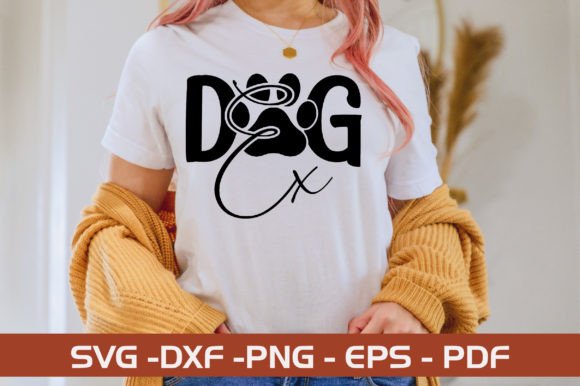
The design reads as “dog” without needing a paw print or bone motif—just bold, slightly rounded letterforms with subtle spacing that breathes. It’s not cartoonish, nor is it sterile. That balance makes it work equally well on a linen tea towel for a pet-friendly café and a soft cotton onesie for a newborn golden retriever lover. The “Ex” adds a modern twist—not an abbreviation, but a stylistic anchor. Visually, it leans into the Crafts category without feeling crafty in a dated way. It’s graphic, yes—but also inherently stitchable.
Where It Shines: Real Projects, Real Clients
I ran Dog Ex SVG Design through several actual use cases:
- Custom sweatshirt embroidery: Stitched cleanly on mid-weight fleece with medium-cutaway stabilizer. No puckering, no skipped stitches—even at the curve of the “D.” The letter height (roughly 3.5" wide) scaled beautifully for chest placement.
- Embroidered patch: Digitized from the SVG into a clean applique layout (using the Word By Layer structure). The layers separated intuitively—outline first, then fill—making it easy to plan fabric placement and satin-stitch borders.
- Baby embroidery: Used on a 100% cotton burp cloth. With light tear-away stabilizer and 40-weight rayon thread, the design stayed crisp and soft to the touch—no scratchiness, no bulk.
- Etsy seller mockup: Dropped into a printable mockup for a canvas apron. Instantly elevated the listing—it looked intentional, not clip-art. Customers respond to that subtle professionalism.
This isn’t a design that shouts. It whispers confidence—and that’s exactly what handmade product buyers notice.
Where to Use It Thoughtfully
Like any strong typography-based embroidery file, Dog Ex SVG Design rewards intentionality. It’s not ideal for:
- Small hoop sizes under 4x4": The full word needs breathing room. Consider cropping to “Dog” only if space is tight—or repositioning the layout entirely.
- Highly textured fabrics (like bouclé or thick terry): Fill stitches can sink between fibers. Test with a denser stabilizer or reduce fill density in your embroidery software.
- Stretchy knits (e.g., performance tees): Always pair with cutaway + topping. The clean lines will blur without proper stabilization.
- Dark fabric without contrast testing: Light thread colors (ivory, pale gray) may read faintly. Run a black-and-white mockup first—and check thread color contrast on both light and dark backgrounds.
- Curved surfaces like caps: The straight baseline means it works best on front panels—not curved bill fronts—unless resized and reshaped with digitizing expertise.
What It Adds to Your Finished Product—Beyond the Stitch
As a designer who helps small shops build cohesive branding, I pay attention to how a single embroidery file affects perception. Dog Ex SVG Design subtly raises the perceived value of whatever it’s on. Why? Because it avoids visual clutter while still feeling bespoke. On a kitchen towel, it reads as curated—not mass-produced. On a personalized gift, it feels considered, not rushed. For Etsy sellers, that translates directly to higher trust and better reviews (“Exactly what I pictured!” is a phrase I’ve seen echoed in real listings using similar design sensibility).
It also supports brand consistency. If you’re building a line around pet lovers, rescue themes, or minimalist lifestyle goods, this design fits right in—without demanding its own spotlight. It’s a reliable design asset, not a one-off novelty.
Practical Designer Notes Before You Stitch
Before adding Dog Ex SVG Design to your next embroidery project, here’s what I recommend:
- Test on scrap fabric first—especially if using textured, stretchy, or dark materials.
- Review stitch density in your embroidery software. Typography files can sometimes pack too many fill stitches; adjust if needed for softness or drape.
- Confirm hoop size compatibility. The Word By Layer SVG structure suggests flexibility, but always verify dimensions before hooping.
- Inspect small details—particularly the inner counter of the “e” and the terminals of the “x.” These are where thread tension issues most often show.
- Try black-and-white mockups to assess contrast and legibility before committing to thread colors.
- Use appropriate stabilizer: Cutaway for knits, tear-away for stable wovens, and lightweight fusible for delicate baby items.
- Check licensing before selling finished items or bundling the file digitally—this is a digital embroidery file, not a commercial-use license by default.
Remember: even the cleanest SVG file becomes a machine embroidery design only after thoughtful translation into stitches, stabilizer, and fabric. Dog Ex SVG Design gives you a strong foundation—but your judgment as a designer completes it.
Final Thought: A Quiet Workhorse, Not a Flashy Gimmick
If you're curating design assets for your craft business, Etsy shop, or small-batch apparel line, Dog Ex SVG Design earns its place not because it’s trendy, but because it’s reliable. It’s the kind of embroidery file you reach for when you need something that says “handmade with care” without saying it out loud. Whether you’re stitching a holiday gift for a friend’s new puppy, branding a boutique’s signature tote, or creating a limited-run patch collection—this design holds its ground. It doesn’t distract. It delivers. And in embroidery, that’s the highest compliment.