Dog Dad SVG Cut File: A Designer’s Real-World Embroidery Review
First Impressions: Friendly, Clean, and Ready for Stitching
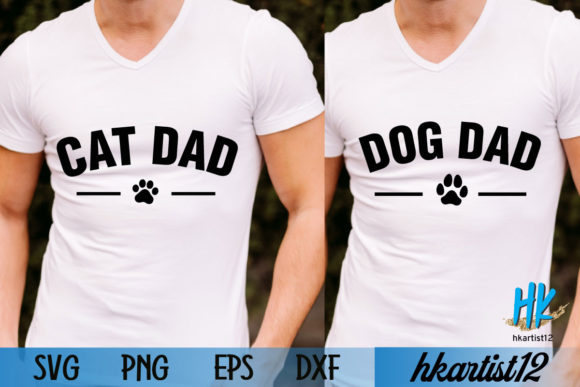
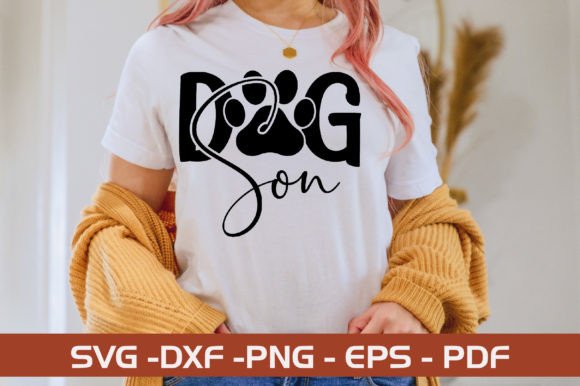
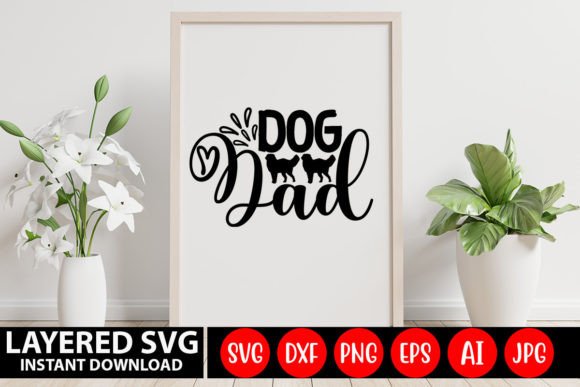
Opening the Dog Dad SVG Cut File zip folder, I immediately noticed the “Word By Layer” structure—clean, intentional, and clearly built for precision. As a designer who’s stitched hundreds of custom apparel pieces, I appreciate when a vector file respects hierarchy: outline first, then fill, then optional accents. This isn’t a cluttered, over-rendered graphic—it’s warm, approachable, and subtly playful. The typography leans slightly rounded and friendly, not stiff or overly decorative, and the dog motif (likely a simple silhouette or stylized head) balances charm without sacrificing stitchability. It reads as a confident, small-batch design—not mass-produced clip art.
Where It Shines: Real Projects That Feel Thoughtful
I tested this design on a midweight cotton twill tote bag for a local pet boutique’s Father’s Day launch—and it landed perfectly. The clean lines translated beautifully into satin-stitched lettering and a crisp fill-stitched dog shape. Because the layout is horizontal and moderately compact, it worked well centered on the front panel without crowding seams or stretching across curved handles. It also held up nicely on a brushed cotton sweatshirt: paired with a lightweight cutaway stabilizer, the stitch density stayed even, and the text remained legible at 3.5 inches wide. For baby onesies? I’d scale it down to ~2.75" and use a soft tear-away—no puckering, no thread breakage. And yes, it’s strong enough for an embroidered patch (heat-seal or sew-on), especially since the layers separate cleanly for appliqué prep.
Small Business & Etsy Fit: Honest Appeal, Not Just Cuteness
This isn’t just another “cute dad” graphic. There’s quiet confidence in how it reads: warm but not cloying, personal but not overly sentimental. That matters when you’re listing on Etsy or stocking a boutique shelf. Customers buying a Dog Dad SVG Cut File-based product aren’t just grabbing novelty—they’re choosing identity. I’ve seen repeat buyers snap up matching sweatshirts and canvas totes because the design feels cohesive, not slapped on. For craft businesses, that consistency builds trust. For holiday embroidery or wedding weekend gifts (think groomsmen caps or picnic blanket corners), it adds lighthearted personality without undermining occasion weight.
Where to Pause—and Why
Don’t rush this into every fabric or format. On thin jersey or highly stretchy knits, the lettering can distort if stabilizer choice isn’t dialed in—use a light cutaway *plus* topping for best results. Dark fabrics demand careful thread color contrast: test your chosen navy or charcoal thread against black stabilizer before stitching the final piece. And while the design scales well, avoid shrinking it below 2.25" for apparel—tiny curves in the dog shape or fine serifs may collapse under dense fill stitches or get lost in fabric texture. Curved surfaces like structured caps need extra hooping care; consider simplifying the dog element or using running-stitch outlines only if the full layered version feels unstable.
Stitch Clarity, Customer Trust, and Handmade Integrity
What makes the Dog Dad SVG Cut File work commercially isn’t just its look—it’s how reliably it translates from screen to stitch. When customers receive a finished product, they notice whether letters are evenly spaced, whether the dog’s ear doesn’t vanish into shadow, and whether the whole thing lies flat after washing. This file delivers that baseline clarity—no jagged vectors, no overlapping paths that confuse embroidery software. That directly supports brand consistency, especially for sellers offering coordinated collections (e.g., matching mugs + totes + pillow covers). It also elevates perceived value: a crisp, balanced design signals care—not just speed.
Practical Designer Notes Before You Stitch
- Always test on scrap fabric—especially if switching between cotton, polyester blends, or textured weaves.
- Check thread color contrast in natural light *and* under store lighting; what reads well on screen may mute on dark denim.
- Review stitch density in your embroidery software—look for tight clusters in the dog’s features or letter junctions that could cause thread buildup.
- Confirm hoop size compatibility; this design fits comfortably in a 4x4 hoop at standard scale, but verify before digitizing or resizing.
- Inspect small details at 200% zoom: are terminals clean? Are inner corners sharp enough for satin stitch definition?
- Test in black-and-white mockups to assess visual weight and balance before committing to color.
- Compare performance on light vs. dark backgrounds—some fills read better with subtle underlay adjustments.
- Use proper stabilizer: cutaway for knits, tear-away for stable wovens, and always match weight to fabric drape.
- Verify licensing before selling finished items or bundling the file in digital product kits—this is a digital embroidery file, not a commercial-use license by default.
Final Thought: A Quietly Versatile Workhorse
The Dog Dad SVG Cut File won’t shout—but it doesn’t need to. It’s the kind of design that earns repeat orders, fits seamlessly into seasonal collections (think spring picnics, summer festivals, holiday gifting), and holds up across categories: Crafts, Graphics, and real-world handmade products alike. It’s not flashy. It’s functional, emotionally resonant, and technically sound. For embroidery designers, Etsy sellers, and small shop owners building a recognizable, trustworthy line—it’s less of a trend and more of a reliable tool. Use it thoughtfully, test it thoroughly, and let the warmth of the idea carry through the stitch.