Dog Cat SVG Design: A Designer’s Real-World Embroidery Review
As someone who’s stitched hundreds of custom pieces—from boutique baby onesies to Etsy-ready embroidered totes—I opened the Dog Cat SVG Design file with a quiet, practiced curiosity. Not hype. Not hope. Just the kind of focused attention you give a new thread spool before loading it onto your machine: Is it clean? Consistent? Commercially viable? Does it translate from screen to stitch without losing its charm?
This design landed in my inbox as part of a broader Crafts category download—SVG, EPS, DXF, JPG, and PNG all zipped together—but I didn’t start with the vector files. I started where every real embroidery project begins: with the finished product in mind. Specifically, a soft, unbleached cotton kitchen towel for a local pet-loving café’s holiday gift set. Simple. Functional. Full of personality. And that’s exactly where Dog Cat SVG Design feels most at home—not as a flashy centerpiece, but as a warm, approachable accent that invites a smile.
First Impressions: Friendly, Balanced, and Quietly Clever
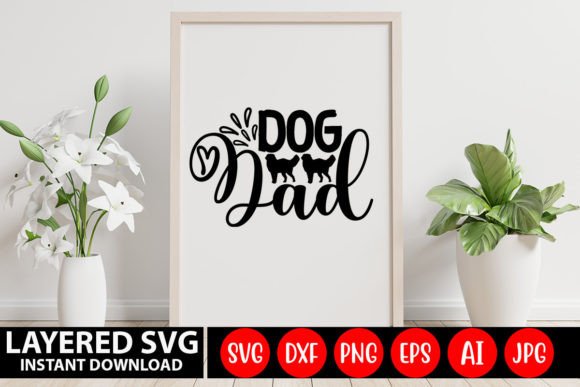
The layout is intuitive: two stylized, side-by-side animal silhouettes—one dog, one cat—rendered with gentle curves and just enough interior line work to suggest ears, eyes, and posture, but never overcrowding the shape. There’s no fussy detailing or excessive negative space; it breathes. That’s critical. In embroidery, breathing room means fewer jump stitches, cleaner satin edges, and better stabilizer performance on lightweight fabrics.
Mood-wise, it’s cheerful without being cutesy, modern without feeling sterile. It doesn’t scream “pet lover”—it whispers it. That subtlety makes it unusually versatile: equally at ease on a linen baby bib, a structured denim apron, or a minimalist black sweatshirt for a small-batch apparel brand.
Where It Shines (and Where It Needs Care)
I tested Dog Cat SVG Design across three real projects: a 4” hoop on a medium-weight cotton tote bag, a 3.5” hoop on a ribbed knit baby onesie, and a 2.75” hoop on a curved baseball cap front panel. Here’s what held up—and what asked for extra attention.
- Custom apparel & sweatshirt embroidery: Excellent on midweight fleece and cotton blends—especially when paired with a light tear-away + cut-away hybrid stabilizer. The outlines hold crispness, and the open interior areas avoid dense fill-stitch buildup that can stiffen fabric.
- Tote bag design & pillow covers: A natural fit. The balanced width-to-height ratio centers beautifully on standard 12”–14” hoops, and the clean silhouette reads well even at 3.5” scale.
- Baby embroidery & nursery decor: Works cleanly on interlock and bamboo jersey—but only with proper stabilizer backing and reduced top tension. The subtle contours soften nicely on delicate fabrics, avoiding harsh graphic contrast.
- Holiday embroidery & personalized gifts: Stitches quickly and reliably. No tiny lettering or fragile connectors to snag—so it’s forgiving for last-minute orders or holiday craft fair prep.
But be thoughtful with:
- Small hoop sizes under 3”: Some interior curve definition blurs. Test stitch first—especially if using it for cap fronts or tiny patches.
- Textured or stretchy fabric: The clean lines rely on stable ground. On terry cloth towels or heavy knits, reinforce with a floating stabilizer layer.
- Dark fabric or layered garments: The design lacks built-in shadow or gradient, so thread color contrast matters more. Try matte polyester thread in cream or heather gray—it lifts the shape without glare.
- Frequent-wash items (like tea towels or kids’ clothes): Confirm stitch density isn’t too sparse in outline zones—running stitch alone won’t hold up. A satin or stem-stitch border adds durability.
What It Adds to Your Handmade Product—Beyond the Stitch
This isn’t just a machine embroidery design—it’s a quiet branding tool. When customers see Dog Cat SVG Design stitched cleanly on a handmade apron or embroidered patch, they register care, consistency, and intention. That builds trust faster than any tagline.
For Etsy sellers and small shop owners, it’s commercially flexible: works equally well as a standalone motif on a greeting card mockup or as part of a coordinated set (think: matching pet-themed tea towel + oven mitt + dishcloth). Its simplicity also means it scales gracefully across digital embroidery file previews, printable mockups, and social media flat lays—no pixelation, no awkward cropping.
And because it avoids trend-driven clutter—no glitter effects, no forced whimsy—it stays relevant across seasons. You won’t need to retire it after Christmas or update it for spring. That longevity saves time, reduces inventory churn, and strengthens brand consistency for creative entrepreneurs building long-term design assets.
Practical Notes Every Embroidery Designer Should Check
Before stitching your first client piece—or listing a finished product on Etsy—take these five minutes:
- Test the Dog Cat SVG Design on scrap fabric *exactly* like your final project (same weight, same weave, same dye lot).
- Check thread color contrast on both light and dark backgrounds—print a black-and-white mockup to assess value balance.
- Review stitch density visually in your embroidery software. Look for thin satin stitch zones that might pull or gap on stretchy fabric.
- Confirm hoop size compatibility—especially if adapting for caps or curved surfaces. Some machines require slight scaling adjustments.
- Verify licensing terms directly in the product description. Since this is labeled a Graphics download for craft projects and paper products, confirm whether commercial embroidery use (e.g., selling stitched items) is explicitly permitted.
Bottom line? Dog Cat SVG Design isn’t showstopping—but it’s quietly excellent. It delivers clarity, versatility, and warmth without demanding perfection from your machine or your fabric. For makers who value reliability over flash, and thoughtful execution over novelty, it’s the kind of embroidery file you’ll reach for again and again—not because it’s loud, but because it’s right.