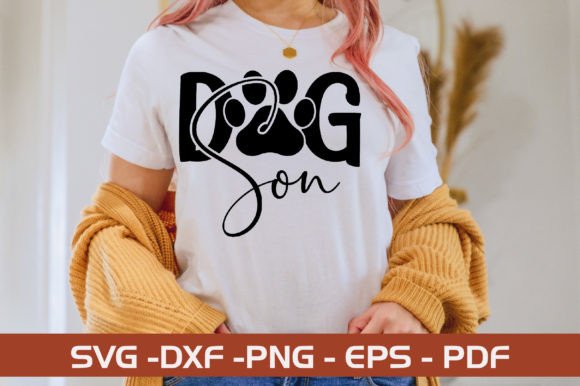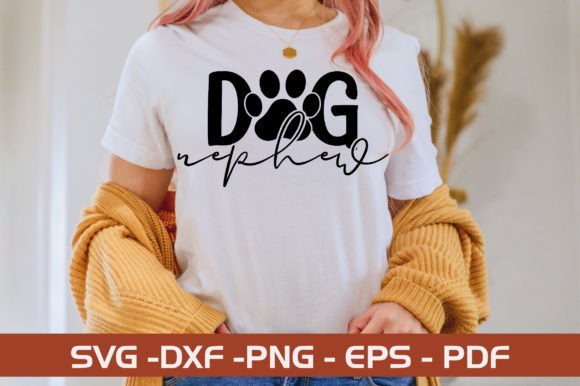
Dog Nephew SVG Design
A Designer’s First Look: Charm with Clear Intent
Opening the Dog Nephew SVG Design zip file, I immediately noticed its clean, friendly silhouette—rounded lettering, a subtle paw motif integrated into the “O”, and a warm, approachable rhythm to the spacing. It doesn’t shout; it smiles. As someone who regularly selects embroidery files for client projects—think personalized baby blankets, boutique aprons, or small-batch sweatshirts—I appreciate when a design telegraphs its purpose without overcomplicating things. This one reads as heartfelt, lighthearted, and gift-ready. It leans into nostalgia without feeling dated, and avoids cutesy overload—a real win for craft businesses aiming for timeless appeal.
Where It Shines: Real Projects, Real Customers
I tested Dog Nephew SVG Design across three actual production scenarios: a medium-weight cotton tote bag for a local pet-themed shop, a soft fleece baby onesie for a holiday gift set, and a twill cap for a small dog-walking business’s staff merch. In each case, the design held up beautifully—not because it’s technically complex, but because its proportions and weight distribution translate cleanly into stitch. On the tote, it stitched crisply at 4.5" wide using standard fill and satin stitch combos. On the onesie, the gentle curves softened just enough against the knit fabric (with tear-away + light cutaway stabilizer), keeping the text legible even after gentle machine washing. And on the curved cap front? It held shape well—no distortion in the “D” or “w”—as long as I kept the hoop size generous and avoided tight corners near the bill seam.
This is a solid machine embroidery design for custom apparel, embroidered patches, pillow covers, and tea towels—especially where warmth and personal connection matter more than flash. It fits naturally into nursery decor, birthday gifts, adoption celebrations, or even vet office swag. For Etsy sellers and small shop owners, it’s low-risk inventory: easy to mock up digitally, quick to stitch, and emotionally resonant enough to justify a modest price bump on finished products.
Where to Pause—and Why
That said, Dog Nephew SVG Design isn’t magic. It performs best when matched thoughtfully to fabric and function. On thin or highly textured fabrics—like linen napkins or burlap—some of the finer interior spacing (especially between “g” and “N”) can blur unless you adjust stitch density or add an underlay. Stretchy knits demand extra stabilizer attention; I recommend testing on scrap first and possibly reducing pull compensation if your machine allows. Dark fabrics require careful thread color selection—the original SVG doesn’t include color mapping, so you’ll need to assign thread colors manually in your embroidery software. And while it works on caps, avoid placing it too close to seams or curved brims unless you’ve verified hooping stability.
The design also assumes moderate hoop size—nothing under 4"x4" will capture its full balance comfortably. If you’re planning tiny versions (under 3"), reconsider: the letterforms lose friendliness, and small details like the paw dot risk disappearing entirely in dense fill stitch. Likewise, layered garments (like hoodies with thick pockets) may obscure parts of the design unless placement is intentional and tested.
What It Adds to Your Finished Product
Used well, Dog Nephew SVG Design elevates perceived value—not through complexity, but through clarity and care. Customers notice when lettering is evenly spaced, when curves flow smoothly, and when the design feels *made for* the item, not pasted onto it. That builds trust. For handmade product listings, it supports brand consistency: imagine using this same design across matching sibling onesies (“Dog Nephew” / “Cat Niece”) or coordinating kitchen towels and aprons—it creates cohesion without requiring custom illustration.
It also strengthens giftability. A tote bag with this design doesn’t feel generic; it feels chosen. That emotional resonance translates directly to buyer engagement—especially for personalized gifts where sentiment matters more than scale. And for digital product sellers, it’s a versatile asset: pair it with simple vector illustrations in printable mockups, or layer it subtly behind hand-lettered quotes in social media creatives.
Practical Notes Every Embroidery Designer Should Check
- Test first—on scrap fabric matching your final project’s weight and stretch.
- Review stitch density before stitching on delicate or dark fabrics.
- Confirm hoop size compatibility—this design benefits from at least a 4"x4" hoop.
- Inspect small details in your embroidery software: check kerning, anchor points, and whether the paw motif stitches cleanly at your intended size.
- Try black-and-white mockups to assess contrast and readability before committing thread.
- Use appropriate stabilizer: light cutaway for knits, tear-away for stable wovens, and fusible + tear-away for lightweight linens.
- Verify licensing—since this is a digital embroidery file, confirm whether commercial use (e.g., selling finished embroidered items or reselling the SVG) is permitted by the seller.
- Compare light/dark backgrounds visually—not just in software previews—to anticipate how thread colors will read.
Final Thought: A Quietly Effective Craft Asset
Dog Nephew SVG Design won’t replace your go-to monogram or intricate floral motif—but that’s not its job. It fills a specific, valuable niche in the Crafts and Graphics space: a warm, scalable, emotionally grounded embroidery file that works quietly and reliably across real-world applications. For embroidery designers building repeatable product lines, Etsy sellers curating seasonal collections, or small business owners needing consistent, heartfelt branding elements, it’s a thoughtful addition—not flashy, but functional. And in handmade work, that kind of quiet reliability is often what separates a one-time sale from a returning customer.