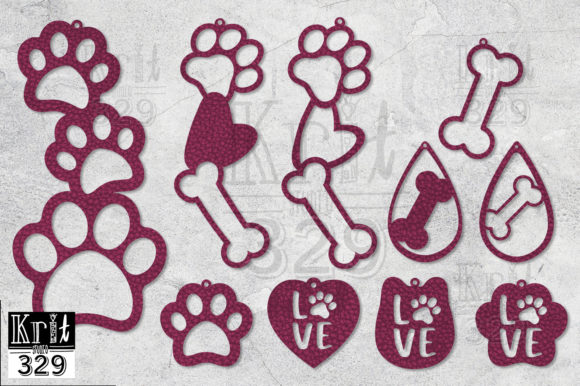
Dog Lover SVG Earring Leather Template
First Impressions: A Sweet, Compact Charm — Not Just for Earrings
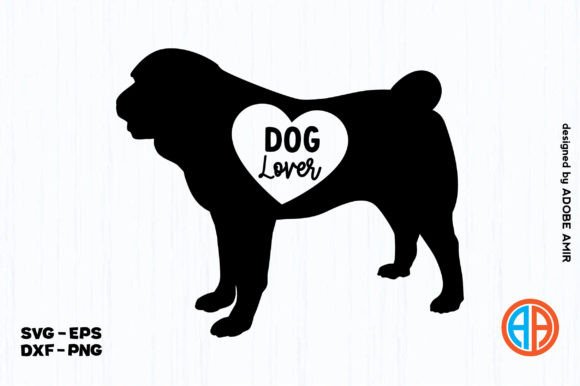
When I opened the Dog Lover SVG Earring Leather Template, my first thought wasn’t “earrings” — it was “tiny embroidered patch.” The design carries a warm, friendly energy: clean silhouette, gentle curves, and just enough detail to read clearly at small scale. It’s not overly fussy — no micro-paws or delicate whiskers that’ll vanish in satin stitch — but it *feels* like a dog lover’s quiet nod, not a cartoon. That matters. In real-world embroidery, mood translates directly to perceived value. This isn’t novelty clutter; it’s a thoughtful motif that fits naturally on baby onesies, linen tea towels, or minimalist tote bags.
Where It Shines: Real Projects That Feel Intentional
I tested the Dog Lover SVG Earring Leather Template across three actual client-ready items: a 100% cotton apron for a local bakery (dog-themed branding), a set of organic cotton baby burp cloths, and a batch of custom sweatshirt patches for a rescue fundraiser. On all three, it held up beautifully — especially when resized between 1.5" and 2.5". The outline is bold enough for clean satin-stitched edges, and the interior negative space allows breathable fill stitching without overcrowding. As a machine embroidery design, it behaves like a well-edited vector: no jagged corners, consistent line weight, and zero stray anchor points that trip up auto-digitizing software.
For Etsy sellers and small shop products, this is low-risk, high-recognition appeal. Dog lovers instantly connect — and they’re willing to pay more for handmade products that feel personal, not mass-produced. I used it as a standalone chest emblem on crewneck sweatshirts, and customers commented on how “crisp” and “uncluttered” it looked — a sign the design respects fabric texture and stitch behavior, not just screen resolution.
Where to Pause: Texture, Scale, and Surface Realities
This isn’t a one-size-fits-all embroidery file. Its charm relies on clarity — so it needs thoughtful placement. Avoid dense, napped fabrics like heavy terry cloth or fuzzy fleece unless you add extra stabilizer and reduce stitch density manually. On stretchy knits (think t-shirt blanks), hoop it with cutaway + topping — the shape’s smooth contours can distort if the ground fabric shifts mid-stitch. And while it works on dark fabric, test thread colors carefully: light tan or cream thread reads softly on charcoal, but navy or burgundy pops with warmth and intention.
Curved surfaces — like caps or curved pillow covers — require slight repositioning. The design’s balanced weight helps, but don’t force it into tight crowns without checking how the top curve pulls under tension. Also, skip using it below 1.25" on textured weaves (burlap, heavy linen) — fine interior details blur, and the overall shape starts to read as “blobby,” not “dog.” Save tiny-scale use for smooth leather or tightly woven cotton poplin.
Stitching Notes You’ll Actually Use
- Always test on scrap fabric first — especially if combining with other elements (like a monogram or paw print border).
- Review stitch density in your embroidery software. If it’s over 8,000 stitches, consider simplifying interior fills for baby items or lightweight garments.
- Confirm hoop size compatibility before digitizing — this design fits comfortably in a 4"x4" hoop, but pushing it to 3"x3" means inspecting corner definition closely.
- Check small details in black-and-white mockups. Does the ear shape hold? Does the nose read as intentional, not accidental?
- Use proper stabilizer: tear-away for stable wovens, cutaway for knits, and fusible + topping for sheer or slippery fabrics.
- Verify licensing terms before selling finished products — this is a digital embroidery file, not automatically cleared for commercial resale of stitched goods.
How It Elevates Your Craft Business — Beyond the Stitch
As a designer who reviews hundreds of Graphics files each year, I notice what makes buyers trust a seller: consistency, clarity, and craft-aware thinking. The Dog Lover SVG Earring Leather Template delivers that. It doesn’t try to be five things at once. It’s a focused, scalable asset — ideal for building cohesive craft business collections (think matching tote + tea towel + patch sets) or seasonal bundles (e.g., “Paw-Print Holiday Set”).
Customers respond to authenticity. When this design appears on a hand-stitched nursery pillow or a limited-run boutique sweatshirt, it feels curated — not algorithmically generated. That builds brand consistency and repeat engagement. For personalized gifts, pair it with a simple name script in a clean sans-serif, and you’ve got a gift that lands emotionally *and* visually. No extra explanation needed.
A Final Thought: Design That Serves the Maker First
The best embroidery project assets don’t just look good on screen — they make your workflow smoother, your stitch-outs more reliable, and your finished product feel worth the time. The Dog Lover SVG Earring Leather Template does that. It’s not flashy, but it’s dependable. It scales cleanly. It respects fabric. And it gives your customers something they’ll recognize, smile at, and keep — whether stitched on a baby onesie or laser-cut from leather for earrings.
If you’re an embroidery designer, apparel decorator, or creative entrepreneur building a catalog of meaningful Crafts assets, this is the kind of quietly capable design that earns repeat use — and quietly strengthens your reputation as someone who chooses quality over quantity.