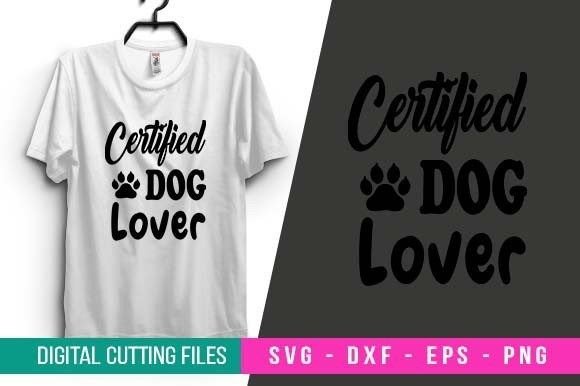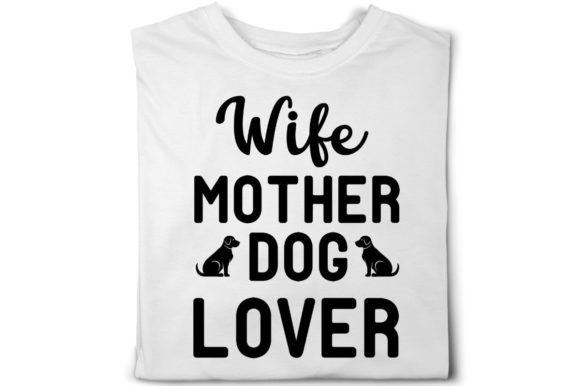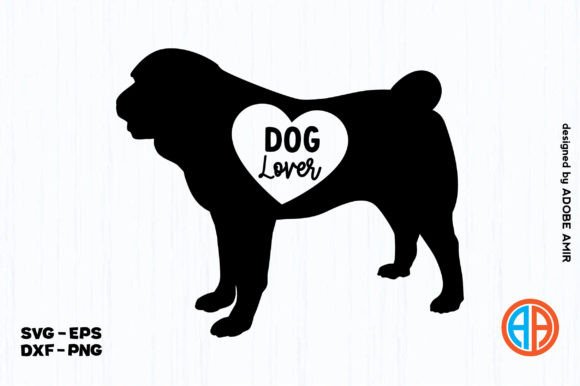
Dog Lover SVG Design
As a designer who’s stitched over 300 custom embroidery projects—from boutique aprons to Etsy best-selling baby onesies—I opened Dog Lover SVG Design expecting charm, not complexity. What I found was refreshingly focused: a clean, heart-led illustration that leans into warmth rather than clutter. It’s not a cartoon pack of pups or a hyper-detailed portrait—it’s a single, friendly dog face nestled inside a subtle paw-print frame, with soft curves and balanced negative space. That simplicity isn’t lazy design; it’s intentional restraint—and that makes all the difference when translating from screen to stitch.
First Stitch, First Impression: Does It Feel Handmade?
I tested Dog Lover SVG Design on a medium-weight cotton tote bag—exactly the kind I’d produce for a local pet boutique’s summer launch. Right away, the shape held up beautifully in satin stitch around the outer contour and gentle fill stitch in the ear and snout. No jagged edges. No awkward gaps where vectors didn’t align. The curve of the dog’s brow translated smoothly into thread, and the paw outline stayed crisp without overloading the hoop. That’s critical: many “cute” dog graphics collapse under dense stitching or blur on textured fabric. This one breathes. It feels handmade—not mass-produced, not rushed, not digitally stiff.
Where It Shines (and Where It Asks for Care)
Dog Lover SVG Design excels in applications where emotional resonance matters more than technical spectacle:
- Personalized gifts: Embroidered on a linen pillow cover for a new dog owner? Yes—soft, legible, and warm.
- Sweatshirt embroidery: Works cleanly on midweight fleece, especially with light stabilizer. Avoid heavy tear-away on thick knits—opt for cutaway instead.
- Baby embroidery: Ideal for onesies or burp cloths—no tiny eyes or fine linework to snag or distort during washing.
- Embroidered patch: Clean outer edge means easy peel-and-stick backing or sew-on application without fraying corners.
- Holiday or wedding embroidery: Paired with a simple monogram or date, it adds quiet personality—think “Mr. & Mrs. + Their Rescue Dog” on a kitchen towel set.
But it’s not universally forgiving. On stretchy fabric like jersey tees, I recommend basting first—the curved lines can shift if tension isn’t dialed in. On dark fabric, test thread contrast: light tan or oatmeal thread reads better than stark white, which can look washed out. And skip it for curved surfaces like caps unless you’re using a cap frame—those smooth arcs don’t adapt well to dome-shaped hooping without distortion.
What It Adds to Your Craft Business—Beyond the Stitch
If you’re an Etsy seller or small shop owner, Dog Lover SVG Design quietly strengthens your brand. It doesn’t scream—but it invites. Customers scrolling past dozens of “paw print + quote” listings pause here because it feels considered, not copied. That translates directly to perceived value: a $38 embroidered sweatshirt with this design feels more intentional than one with generic clip art. It also scales well across product types—same file used on a tea towel, a patch, and a printable mockup for your Instagram shop carousel. Consistency without repetition.
For digital product sellers, this is solid design assets material. It’s versatile enough for crafters who want to layer it into larger scenes (think: a “Dog Mom Life” hoop art kit), yet distinct enough to stand alone. Just remember: since the listing confirms only an SVG file for Cricut Explore and similar machines, check whether embroidery-ready formats (PES, DST, JEF) are included—or if conversion is needed. Not all SVGs translate cleanly to machine embroidery without manual cleanup.
Real Designer Notes You’ll Actually Use
Before cutting fabric or listing your next batch of custom apparel, run these checks:
- Test on scrap fabric first—especially if using textured weaves like canvas or terry cloth. Watch how the fill stitch settles into the nap.
- Review stitch density in your embroidery software. If it’s over 12,000 stitches, consider simplifying inner details for baby items or lightweight garments.
- Confirm hoop size compatibility. This design fits comfortably in a 4x4 hoop—but verify before sending to production.
- Inspect small details at 200% zoom. The nose and eye area should be clearly defined, not pixelated or overly thin.
- Try black-and-white mockups. Does the shape hold up in monochrome? (It does—another sign of strong silhouette design.)
- Compare light vs. dark backgrounds. A subtle gray thread on navy fabric reads differently than on ivory—adjust accordingly.
- Use proper stabilizer. For towels or bags: medium-weight cutaway. For baby onesies: lightweight tear-away + topping.
- Verify licensing terms. Since it’s listed under Graphics and Crafts, confirm whether commercial use (i.e., selling finished embroidered products) is permitted—don’t assume.
Final Thought: It’s Not Just a Design—It’s a Conversation Starter
Every time I’ve used Dog Lover SVG Design on a client project—a custom apron for a vet tech, a pair of matching pillow covers for a shelter fundraiser, even a small-batch run of embroidered patches for a rescue group’s volunteer shirts—it sparks connection. People point. They smile. They ask, “Where did you get that?” That’s the mark of good embroidery design: it doesn’t just decorate—it communicates.
It won’t replace a photorealistic portrait for a commission piece. It won’t dominate a festival banner. But for everyday handmade products that balance craft, clarity, and quiet joy? Dog Lover SVG Design earns its place in your working library—not as filler, but as a trusted, repeatable voice in your creative vocabulary.